
We rounded up the best Nike running shoes across several categories for this guide. Photo: iRunFar/Eszter Horanyi
Most runners know Nike’s story. Founded by legendary University of Oregon track coach Bill Bowerman and one of his athletes, Phil Knight, the massive sports equipment and apparel company started solely as a running shoe company. The rest, as they say, is history. But with that history and the sheer number of shoes made by the company, finding the best Nike running shoe for you can be challenging. No worries — we’ve got you covered.
The iRunFar team tests a constant rotation of Nike’s newest running shoes. Based on our testing, we created a list of shoes that will meet the needs of just about every type of runner. Looking for a road running shoe that can handle a little bit of everything? Check out the Nike Vomero Plus if you love maximum cushioning, or the Nike Zoom Fly 6, if you want to move fast. Need a shoe that can handle pavement, dirt, gravel, and light trails? The Nike ACG Pegasus Trail was our top trail pick for trail running shoes, and the Nike Pegasus 42‘s outsole is durable enough to be a road-to-trail option, too. Hunting for a PR in your next race? We’d point you to the Nike Vaporfly 4 for the roads and Nike ACG Ultrafly Trail for the trails. Below are reviews of those shoes and more.
After that, be sure to look at our testing methodology, buying advice, and frequently asked questions. We’ve even got a helpful glossary of shoe terms and look at Nike’s midsole foams should you want to learn more.
[Editor’s Note: Fully updated June 18, 2026 with many new models, as well as the usual price and availability checks.]
Best Nike Running Shoes
- Best Overall Road Running Shoe: Nike Vomero Plus
- Best Overall Trail Running Shoe: Nike ACG Pegasus Trail
- Best Road Racing Shoe: Nike Vaporfly 4
- Best Trail Racing Shoe: Nike ACG Ultrafly Trail
- Best Road Running Shoe for Beginners: Nike Pegasus 42
- Best Lightweight Trail Running Shoe: Nike Kiger 10
- Best Stability Road Running Shoe: Nike Structure 26
- Best Super Trainer: Nike Zoom Fly 6
- Best Short-Distance Racing Shoe: Nike Streakfly 2
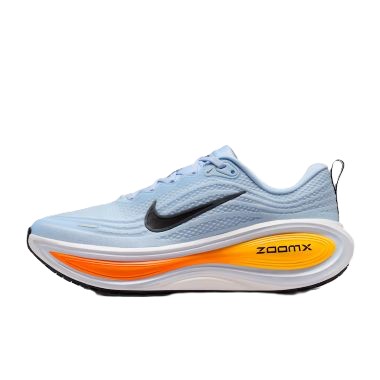
Best Overall Road Running Shoe: Nike Vomero Plus ($180)
Actual Weight (U.S. men’s 9.5): 10.3 ounces (292 grams) | Stack Height (heel/toe): 45/35 millimeters| Drop: 10 millimeters
Pros:
- Supremely cushioned and bouncy
- Versatile
- Fun to run in
Cons:
- Not the lightest shoe
The Nike Vomero Plus is the cousin to the longtime daily trainer Nike Vomero, retaining maximum cushioning but differing in feel and performance — and it was beloved by our testers. With a 45-millimeter stack height at the heel and 35 millimeter at the forefoot, this shoe actually has less stack than the Vomero 18, so the “Plus” in its name refers to performance rather than cushion. While the Vomero 18 is a standard daily trainer designed primarily for easy miles, the Vomero Plus can do more while still feeling incredibly cushioned underfoot.
The standout feature of this shoe is a full-length ZoomX midsole. Though it’s not the same ZoomX that Nike uses in its racing shoes, combined with a slightly rockered geometry, it provides a well-cushioned and energetic ride that can work for a variety of paces and distances, which is notable considering its maximalist nature. Compared to that of shoes at a similar price point, the midsole of this shoe is simply miles ahead. One tester’s first run in these shoes was supposed to be an easy greenway run, but these shoes were bouncy and fun enough to run in that he ended up pushing the pace. Later that day, though, the shoes worked equally well on a short double when his legs were tired. They’re lively enough to run decently fast in and forgiving enough to offer heavy legs some necessary respite, making them a close-to-perfect long run shoe. One of our other testers said that the extra cushion in these shoes helped him navigate an injury. “I was dealing with some plantar fasciitis pain and these shoes definitely helped me maintain mileage while managing pain,” he shared.
You could also easily use these shoes as your daily trainer if you prefer a higher-stacked, bouncier ride than the Pegasus or Vomero offers. The only thing they won’t work as well for are your fastest days, though they could absolutely be a marathon shoe if you value comfort above all else and know you’ll be on your feet for four-plus hours. Though they come in at an actual weight of more than 10 ounces in a U.S. men’s 9.5, they feel lighter and quicker on your feet due to the foam and rocker. “Lots of cushion, but doesn’t feel like the shoe is super heavy because of it,” one tester noted.
The engineered mesh upper of this shoe is comfortable and snug, though like many Nike shoes they have a relatively narrow fit, especially in the toebox. The rubber outsole works best on pavement but can handle crushed gravel pretty well, too. One tester ran lots of miles on a 3.5-mile park loop that features asphalt and dirt, and the shoes handled both surfaces well.
The Vomero Plus is a unique, relatively new addition to Nike’s extensive road shoe lineup, and it fills a niche that maybe didn’t even exist before its introduction: a versatile max-cushioned shoe that falls somewhere between a daily trainer and super trainer. For us, that makes it Nike’s best road running shoe, and one of the best from any brand.
Shop the Men's Nike Vomero PlusShop the Women's Nike Vomero Plus
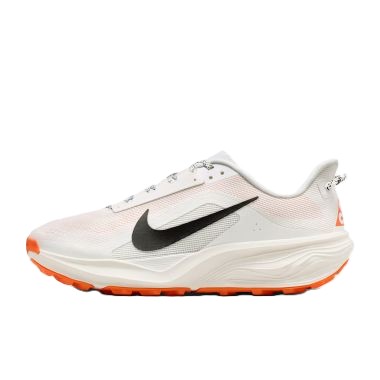
Best Overall Trail Running Shoe: Nike ACG Pegasus Trail ($155)
Actual Weight (U.S. men’s 9): 10.4 ounces (295 grams) | Stack Height (heel/toe): 39/31 millimeters| Drop: 8 millimeters
Pros:
- Versatile in terms of pace and terrain
- Standout midsole
- Even more trail worthy
Cons:
- Not the shoe for technical trails
The Nike ACG Pegasus Trail is not only our top pick for best trail running shoe in this Nike-specific guide, but it’s also one of our top overall picks in our longstanding Best Trail Running Shoes guide and the top pick in our Best Road-to-Trail Shoes guide. The Pegasus Trail line has long been one of our testing team’s favorite shoes, and this version is the best yet.
This shoe features a few small upgrades from the previous version, starting with the addition of 2 millimeters of Nike’s ReactX foam in the heel and 4 millimeters in the forefoot for a cushioned ride that can handle a range of paces and distances. Our testers appreciated the midsole’s responsiveness and energy return, especially as the miles added up. This shoe could work for a 50k on the right terrain. The upper remains top notch, with an even more breathable mesh that breathes and drains well and a more accomodating toebox than previous versions.
Nike upgraded the outsole of this shoe to the second generation of its All Terrain Compound (ATC), and it has better traction on all types of surfaces. The 3.5-millimeter lugs have changed shape and now grip better on rubble and wet rocks, offering an even more trail-forward feel than previous versions. At its core, though, this shoe remains a true road-to-trail warrior, performing best on dirt and gravel roads and smooth to moderate singletrack, so we still wouldn’t recommend it for your most techincal runs.
For an even deeper look, check out our in-depth Nike ACG Pegasus Trail review.
Shop the Men's Nike ACG Pegasus TrailShop the Women's Nike ACG Pegasus Trail
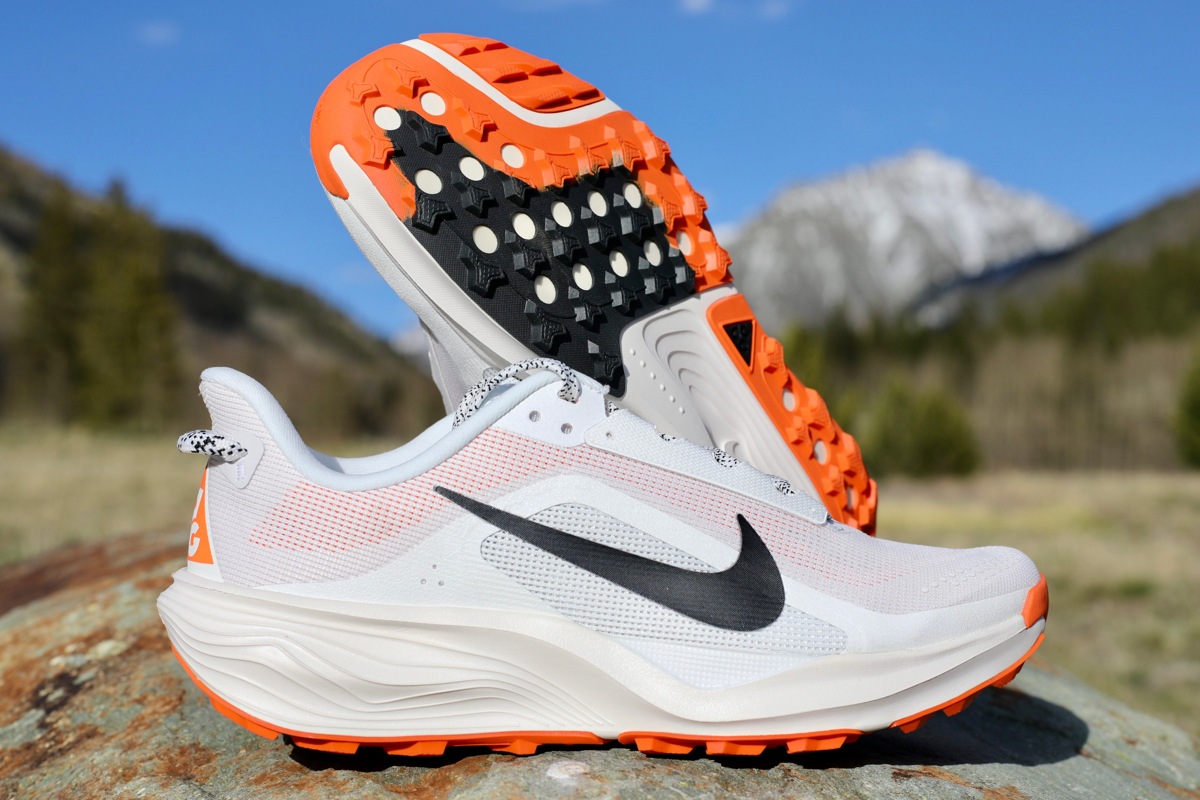
The Nike ACG Pegasus Trail was our top pick among Nike’s trail running shoes. Photo: iRunFar/Bryon Powell
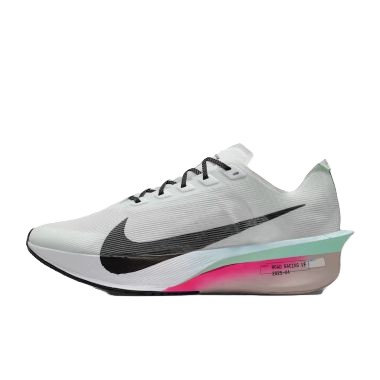
Best Road Racing Shoe: Nike Vaporfly 4 ($270)
Actual Weight (U.S. men’s 9.5): 6.5 ounces (183 grams) | Stack Height (heel/toe): 35/29 millimeters | Drop: 6 millimeters
Pros:
- Extremely lightweight, snappy, and fast
- Not as bulky as some other super shoes
- Versatile across racing distance
Cons:
- Not as cushioned as other super shoes
- Pricey
As the tiny text on the medial side midsole of the Nike Vaporfly 4 boasts, the Vaporfly is the “original super shoe.” It’s only a slight exaggeration to say that when the company introduced the Nike Vaporfly 4% in 2016, it changed competitive running forever by starting a super shoe revolution. Since then, many other companies have introduced their own line of super shoes — which feature a carbon plate sandwiched between layers of premium foam — for elite and everyday runners alike to smash their PRs. Since its introduction a decade ago, the Vaporfly has undergone several changes and refinements, and the fourth version is our top pick for racing shoes in Nike’s lineup. “They essentially feel like a more comfortable, optimized version of the original super shoe that I’ve always loved,” one of our testers wrote.
Every detail of this shoe is built for speed: the carbon Flyplate, the ZoomX foam, the ultralight construction (an actual weight of 6.5 ounces for a U.S. men’s 9.5). Even the packaging the Vaporfly comes in — the inside of the box features a place to write down your race time and the wrapping is marked with finishing times all ending in “:59” — makes it clear that this is a race-day shoe. And that’s for good reason, as this shoe is snappy, responsive, and aggressive, without some of the bulk inherent in some other highly cushioned super shoes. “The ride feels light, energetic, and very springy, with excellent ground interaction that gives a noticeable sense of propulsion with each step,” another tester wrote.
In fact, the primary reason we chose this shoe over the Nike Alphafly 3, the brand’s premier marathon racing shoe, is because it is versatile enough to run workouts in and race most distances. Though Nike clearly tried to delineate between the Vaporfly and Alphafly by lowering the Vaporfly’s stack height to a more approachable 35 millimeters at the heel and 29 millimeters at the forefoot, we still think this shoe can handle the marathon, especially if you prefer a lightweight, nimble running experience. And, of course, that means it is an excellent racing shoe for the 5K to half marathon distance, too. In fact, that’s what it’s designed for. The only drawback — other than its price, which unfortunately comes with the territory — was a concern with its durability. Around the 50-mile mark, one tester began to notice some breakdown and tearing in the bottom right heel, and though it didn’t affect the ride or performance, the wear continued to grow as he stacked more miles on them.
Overall, in a super shoe race that Nike ignited, the Vaporfly remains one of the best. “They’re the standard to which all other super shoes are compared,” one tester summarized.
Shop the Men's Nike Vaporfly 4Shop the Women's Nike Vaporfly 4
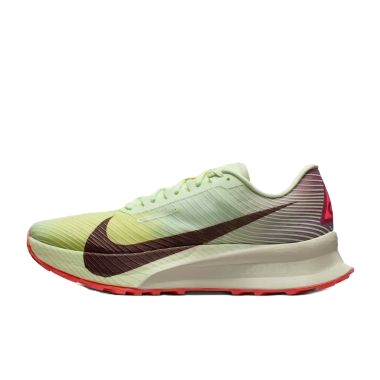
Best Trail Racing Shoe: Nike ACG Ultrafly Trail ($260)
Actual Weight (U.S. men’s 9): 9.4 ounces (267 grams) | Stack Height (heel/toe): 37/28.5 millimeters | Drop: 8.5 millimeters
Pros:
- Fast and well-cushioned with strong energy return
- Perfect for running fast on gravel roads and light trails
- Durable for a super shoe
Cons:
- Stiff plate might not work for all foot types
- Not the best option for super technical terrain
The Nike ACG Ultrafly Trail is the sequel to Nike’s first trail super shoe, the Nike Ultrafly, which our testers loved for trail racing. This new version is still a top option for fast efforts on trails, and don’t just take it from us: Caleb Olson won the 2025 Western States 100 wearing a pair of these shoes.
Nike upgraded its ZoomX foam in the midsole, giving this shoe an even livelier ride than its predecessor. Our testers turned to this shoe for fast efforts on gravel roads and light trails, which is where they excel. Near the end of a 20-mile run, these shoes provided some much-needed pop for one of our testers, who also wore them the following week for hill repeats up a gravel road. In both instances, they provided the right balance of cushion and speed. It’s simply easier to run faster in these than it is in many other trail shoes. Our gear editor, who typically eschews plated trail shoes, liked these enough that he wore them for a 33-mile trail race. His conclusion? “They’re speedy!”
In addition to the top-tier foam, this shoe has a carbon plate, which provides structure and propulsion. The plate indeed helps with the shoe’s structure, but arguably too much so, as it can feel stiff and unyielding at times. Though he first enjoyed these shoes, one of our testers eventually had to stop running in them because the plate didn’t work for his right foot and caused noticeable soreness for days after wearing them.
Compared to that of the original Ultrafly, this shoe’s mesh upper is thicker and stuffier. Nike likely changed it to enhance its durability, but we had no issues with upper durability in the first version. This shoe also features a Vibram Megagrip outsole, which we found to work best on gravel roads, light trails, and pavement. It provides ample grip on those surfaces but isn’t the best shoe to take on highly technical trails.
Overall, this is a energetic, relatively durable trail super shoe that will serve you well for running fast.
Shop the Unisex Nike ACG Ultrafly Trail
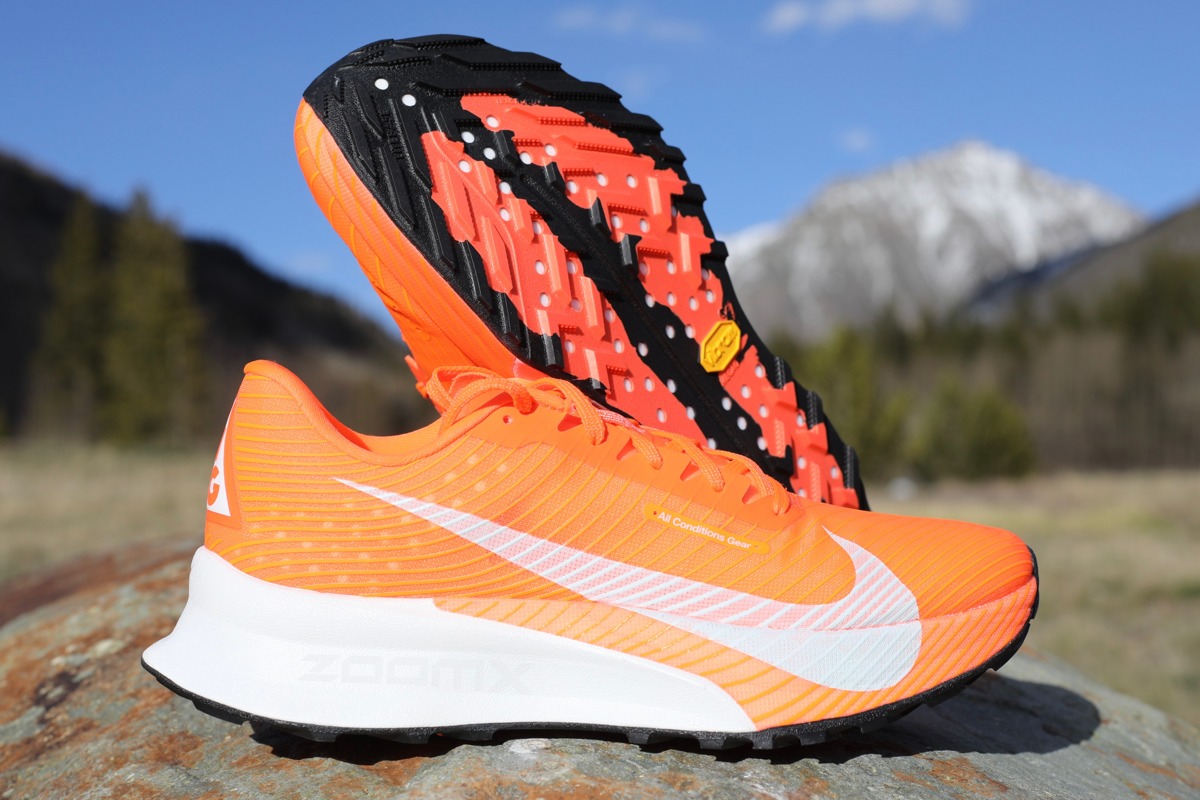
The Nike ACG Ultrafly is a speedy beast on the trails. Photo: iRunFar/Bryon Powell
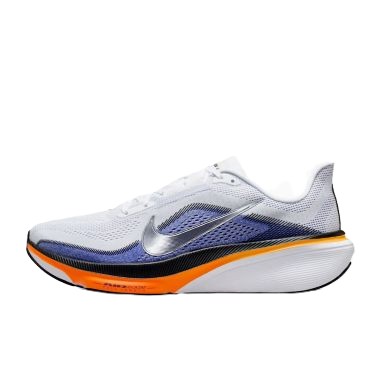
Best Road Running Shoe for Beginners: Nike Pegasus 42 ($145)
Actual Weight (U.S. men’s 9): 10.0 ounces (284 grams) | Stack Height (heel/toe): 37/27 millimeters | Drop: 10 millimeters
Pros:
- Excellent daily trainer at a competitive price
- Outsole is durable enough for multiple surfaces
- As reliable as ever
Cons:
- There are flashier, bouncier options
- Could still be too narrow for some runners
Nike’s Pegasus line has been a mainstay in the running shoe world for more than four decades, so the Nike Pegasus 42 likely needs no introduction. Though there have been countless changes and new models from other companies introduced over the (many) years, this shoe still shines as a reliable daily trainer that has stood the test of time.
The upper features an updated engineered mesh and continues the welcome trends of improved breathability and a more accomodating fit through the forefoot and toebox. One of our testers has bunions and found that these shoes fit fine, similar to others in her rotation. The bottom of the shoe, of course, features Nike’s iconic waffle outsole, which remains one of the biggest strengths of this shoe. Unlike many other strictly road trainers, the Pegasus is versatile enough — both in terms of traction and durability — for running on multiple surfaces, from pavement to dirt roads to gravel. If the Nike ACG Pegasus Trail didn’t exist, this would be the company’s best road-to-trail option.
The midsole features Nike’s ReactX foam, which debuted in the previous version, and expands to a full-length curved Air Zoom unit. Combined, these features offer adequate cushion and propulsion, especially given the shoe’s price point, but if you’re seeking more energy return, there are better options. One of our testers wore these shoes for tons of hill repeats and found that they offered a nice balance between cushion and responsiveness but didn’t aggressively force the pace like a plated trainer. The 10-millimeter drop is relatively high but remains the same from the previous version and is well-suited to heel strikers.
All in all, this is not the flashiest shoe on the market in terms of performance, but like many previous versions, it does what you need it to do, and sometimes that’s all you want from a running shoe.
Shop the Men's Nike Pegasus 42Shop the Women's Nike Pegasus 42
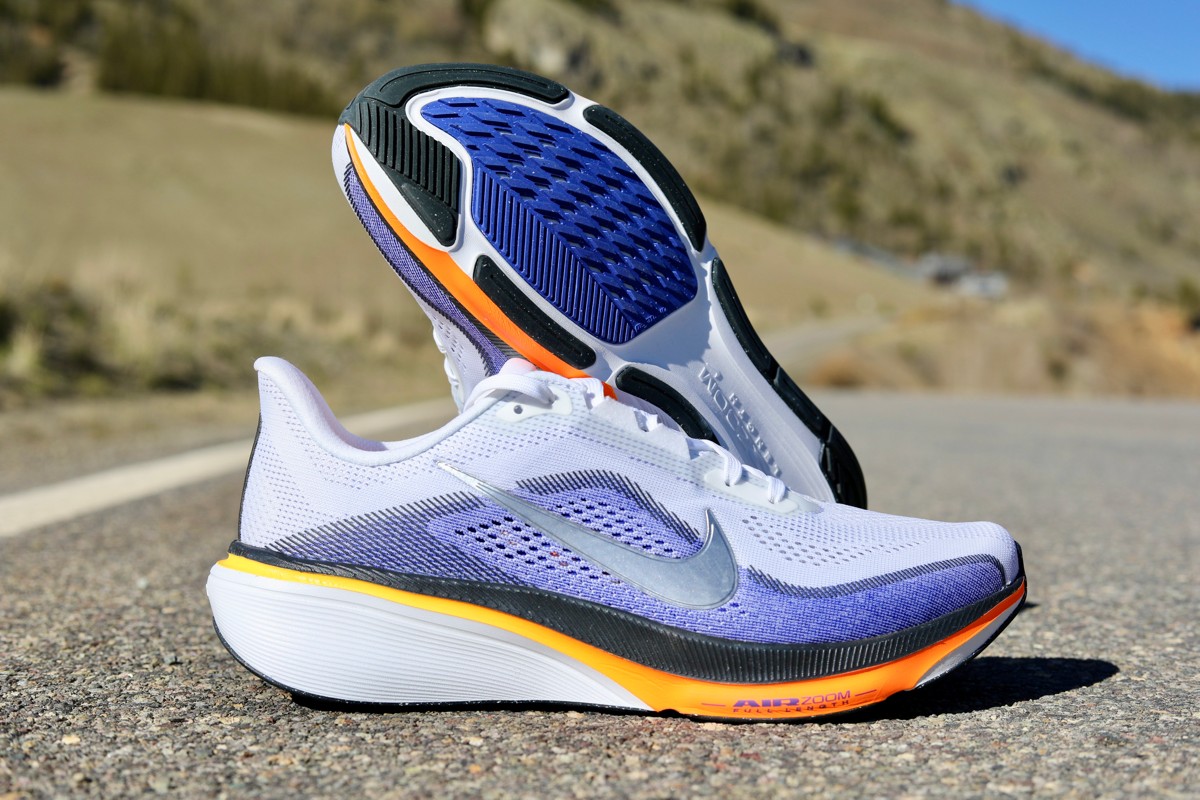
The Nike Pegasus 42 is a shoe that will work for many people in disparate situations. Photo: iRunFar/Bryon Powell
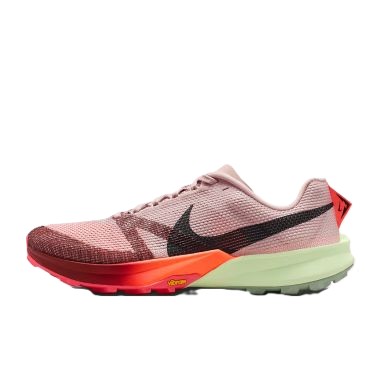
Best Lightweight Trail Running Shoe: Nike Kiger 10 ($170)
Actual Weight (U.S. men’s 9): 9.3 ounces (264 grams) | Stack Height (heel/toe): 29/24 millimeters | Drop: 5 millimeters
 Pros:
Pros:
- Excellent traction
- Fast, light, and nimble
- Solid durability
Cons:
- Relatively narrow toebox and platform
The Nike Kiger 10 is a light, nimble, and quick shoe, and one that our primary tester continually reached for when he wanted to feel good while cruising on trails and gravel roads. He said it reminded him of some of Nike’s old-school racing flats, in the best way.
Starting at the bottom, Nike uses a Vibram Megagrip outsole, one of the grippiest outsole materials on the market. We took this shoe on all sorts of technical trails in California and Colorado, as well as on crushed limestone and gravel roads in the Midwest and found that it handled this varying terrain well. Nike also added a forefoot rock plate for some extra protection. Moving up the shoe, Nike employs its Cushlon 3.0 midsole foam, with 29 millimeters of stack height at the heel and 24 millimeters at the forefoot. This stack height is below average in today’s world of maximum-cushioned shoes, but it makes it feel agile and more like a racing flat than a long-distance shoe. The upper is breathable and comfortable, and we had zero issues with any hot spots, blisters, or discomfort.
Overall, the Nike Kiger 10 is an excellent shoe for anyone looking for a daily trainer that can double as a trail racing shoe. It is fun, fast, and nimble, and it excels both on technical and non-technical trails and terrain.
For more, read our full Nike Kiger 10 review.

Testing the Nike Kiger 10 on trails near Silverton, Colorado. Photo: iRunFar/Eszter Horanyi
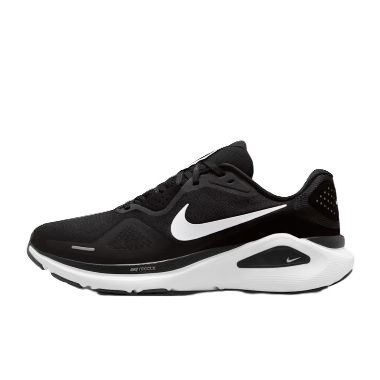
Best Stability Running Shoe: Nike Structure 26 ($145)
Claimed Weight (U.S. men’s 10): 11.3 ounces | Stack Height (heel/toe): 38/28 millimeters | Drop: 10 millimeters
Pros:
- Ample cushion and support
- Good for beginners and easy miles
- Excellent fit
Cons:
- Bulky
- Not the most fun shoe
The Nike Structure 26 features some upgrades from the previous model and is our top pick for stability shoes in the Nike lineup. For someone seeking a Nike shoe that offers stability for easy miles, this is the one we’d point you toward.
The biggest update from the previous version comes in the midsole. While the Structure 25 used Cushlon 3.0 foam, in this model Nike upgraded to ReactX foam — the same foam found in the Pegasus line — and took out the Air Zoom unit in the forefoot. The result is a more cushioned and responsive experience underfoot, though our primary tester found it could be a bit too bulky. “They would be a good shoe for a beginner runner but not for someone getting on their toes and at faster paces,” he said.
To provide stability, Nike employs a midfoot support system that wraps the arch and heel. Our tester found they offered ample support, almost too much so, so if you know you need extra support on easy runs, this shoe could be worth a try.
Shop the Men's Nike Structure 26Shop the Women's Nike Nike Structure 26
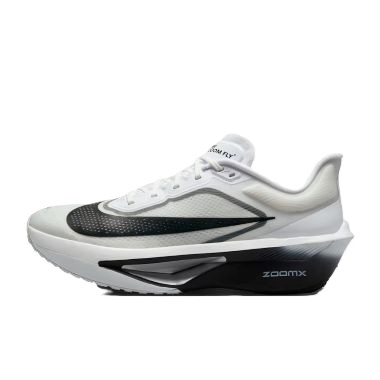
Best Super Trainer: Nike Zoom Fly 6 ($180)
Actual Weight (U.S. men’s 8.5): 8.3 ounces (236 grams) | Stack Height (heel/toe): 40/32 millimeters | Drop: 8 millimeters
Pros:
- Smooth, fast, and fun
- More versatile and durable than a super shoe
- Could be a one-shoe solution
Cons:
- Not as fast as the Vaporfly
- Plated trainers aren’t for everyone
The Nike Zoom Fly 6 kind of, well, flies under the radar. While the Vaporfly and Alphafly are the most well-known and dominate the start lines of many road races, the Zoom Fly is quietly one of the best running shoes Nike has.
The shoe is best classified as a super trainer, which is also sometimes referred to as a performance trainer. Regard of what term you use, it describes a shoe that can handle workouts, fast efforts, and even races while still being versatile enough for easy daily mileage. This versatility is the shoe’s standout feature, as our testers used it for easy runs, workouts, a mile race on the track, and well-groomed trail runs. “They feel a lot more versatile than the Vaporfly or Alphafly (something that I could purely use for a road race and use very sparingly),” one of them wrote. “To me they feel slightly less fast than those shoes, but the versatility and, so far, durability make up for that as someone who doesn’t need the fastest shoe but just wants something to feel smooth and bouncier in.” Another tester agreed, “I enjoyed this light and quick trainer on everything from a 5k tempo run to weekend long runs on pea gravel and pavement to hill workouts on a non-technical trail,” he wrote.
The shoe’s bounce is provided from the proven combination of a carbon Flyplate sandwiched between two layers of foam in the midsole. The top layer is ZoomX, Nike’s best foam, and the bottom layer is a more firm foam called SR-02, which is less lively but more durable, a tradeoff to enhance the shoe’s versatility and longevity. “The cushion feels good: not too much or too unstable,” one of our testers said. Another tester added, “The ZoomX foam provides commendable cushion while the carbon plate offers propulsion — an ideal marriage that makes for a fun, fast shoe for speed days or racing.” They also found that the outsole, made from a thin rubber, performed well on the road and even some dirt and gravel. “There’s enough traction on the outsole for buff singletrack and dirt road running,” one tester wrote.
So, yes, while Nike has faster, more specialized racing shoes than the Zoom Fly, this shoe is hard to beat for someone who wants a plated trainer that can do anything you need it to.
Shop the Men's Nike Zoom Fly 6Shop the Women's Nike Zoom Fly 6
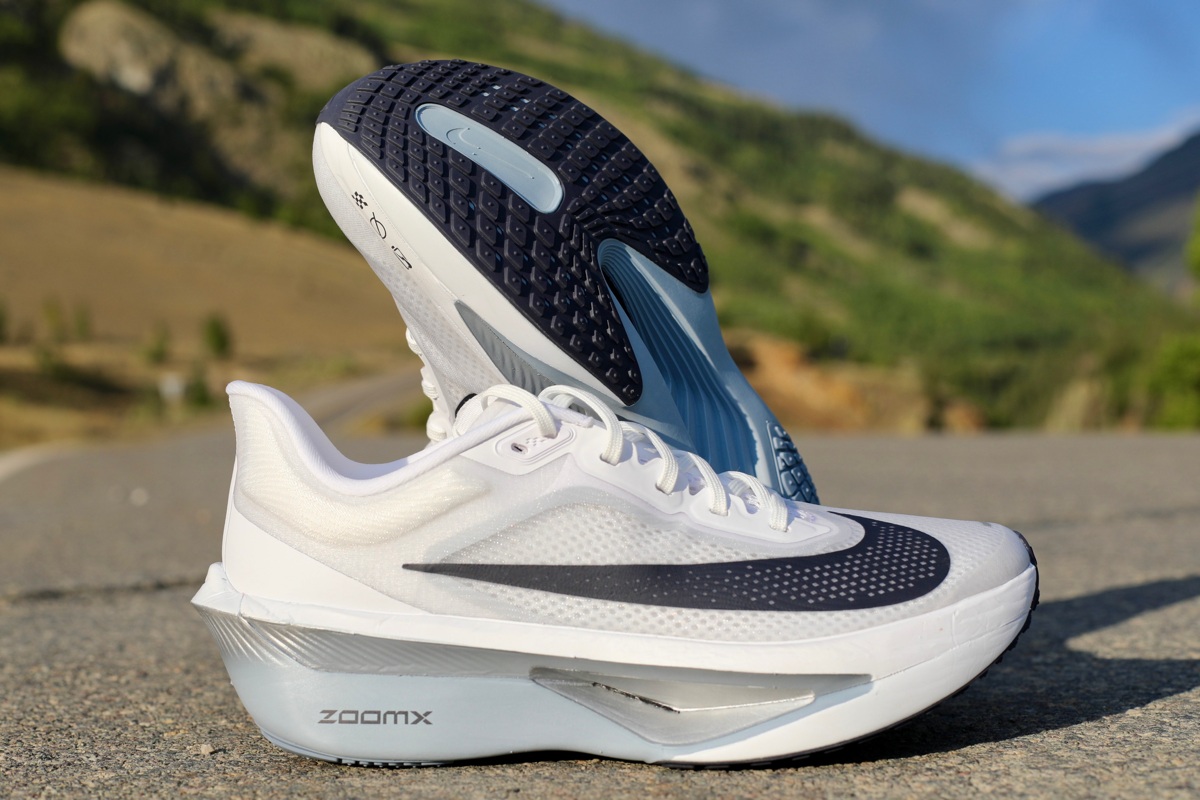
The Nike Zoom Fly 6 is a prototypical super trainer. Photo: iRunFar/Bryon Powell
Best Short-Distance Racing Shoe: Nike Streakfly 2 ($190)
Claimed Weight (U.S. men’s 10): 5.1 ounces (145 grams) | Stack Height (heel/toe): 27/23 millimeters | Drop: 4 millimeters
Pros:
- Extremely light, responsive, and fast
- Same benefits as track spikes without the drawbacks
- A tremendous racing shoe from one mile to ten
Cons:
- Minimal durability and longevity
- Runs small
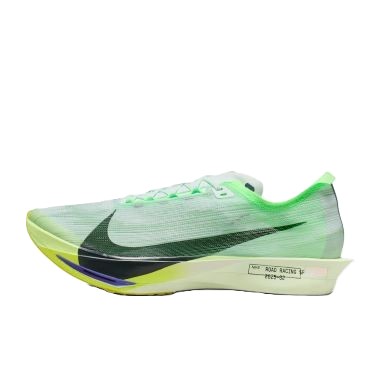
The Nike Streakfly 2, from its name to its aesthetic, screams speed. That’s for good reason, too, because this shoe is fast. It is the closest thing to track spikes that you’ll find in a road shoe.
In fact, our primary tester for these shoes, an elite post-college runner hunting PRs on the track, preferred these shoes over spikes. “The Streakfly 2 has been a game changer because traditional spikes tend to aggravate my feet and Achilles,” he said. “These give me nearly the same speed benefits without the discomfort.” With a claimed weight of 5.1 ounces in a U.S. men’s 10, they are impressively light, and their responsiveness comes from the tried-and-true combo of Nike’s ZoomX foam and carbon-fiber Flyplate in the midsole. Our tester recommended going up a half size in these shoes, as they tend to run small. They are purposefully minimal, with a stack height of 27 millimeters at the heel and 23 at the forefoot, so don’t expect a highly cuhsioned ride. That’s why we’d save them for racing only, and nothing over 10 miles at that. “I can comfortably hit mile race pace in these, and honestly, I sometimes feel faster in them on the road than I do wearing spikes on the track,” our tester wrote.
The biggest downside to these shoes is their durability. “Because the shoe is built purely for speed, you probably shouldn’t expect more than 50 to 60 miles of peak performance,” our tester said. “I recommend saving them for race day and key workouts rather than using them as a daily trainer.” Though our tester has had a few pairs, all of them topped out at 50 miles or so. They simply don’t last much longer than that.
So, yes, in terms of dollar per mile, this shoe is certainly not the most cost-effective model in Nike’s lineup. But for a serious runner wanting to hit fast times on the road or track, the Streakfly 2 can’t be beat. “It’s the fastest non-spike shoe available right now,” our tester summarized.
Shop the Unisex Nike Streakfly 2Comparing the Best Nike Running Shoes
| SHOE (Click for Review) |
BEST FOR | PRICE | ACTUAL WEIGHT | DROP | BUY NOW |
| Nike Vomero Plus | Max Cushioning | $180 | 10.3 oz (men’s 9.5) | 10 mm | Men | Women |
| Nike ACG Pegasus Trail | Road-to-Trail | $155 | 10.4 oz (men’s 9) | 8 mm | Men | Women |
| Nike Vaporfly 4 | Road Racing | $270 | 6.5 oz (men’s 9.5) | 6 mm | Men | Women |
| Nike ACG Ultrafly Trail | Trail Racing | $260 | 9.4 oz (men’s 9) | 8.5 mm | Men | Women |
| Nike Pegasus 42 | Beginners | $145 | 10.1 oz (men’s 9) | 10 mm | Men | Women |
| Nike Kiger 10 | Lightweight Trail | $170 | 9.3 oz (men’s 9) | 5 mm | Men | Women |
| Nike Structure 26 | Stability | $145 | 11.3 oz (men’s 10)* | 10 mm | Men | Women |
| Nike Zoom Fly 6 | Super Trainer | $180 | 8.3 oz (men’s 8.5) | 8 mm | Men | Women |
| Nike Streakfly 2 | Short Road Racing | $190 | 5.1 oz (men’s 10)* | 4 mm | Men | Women |
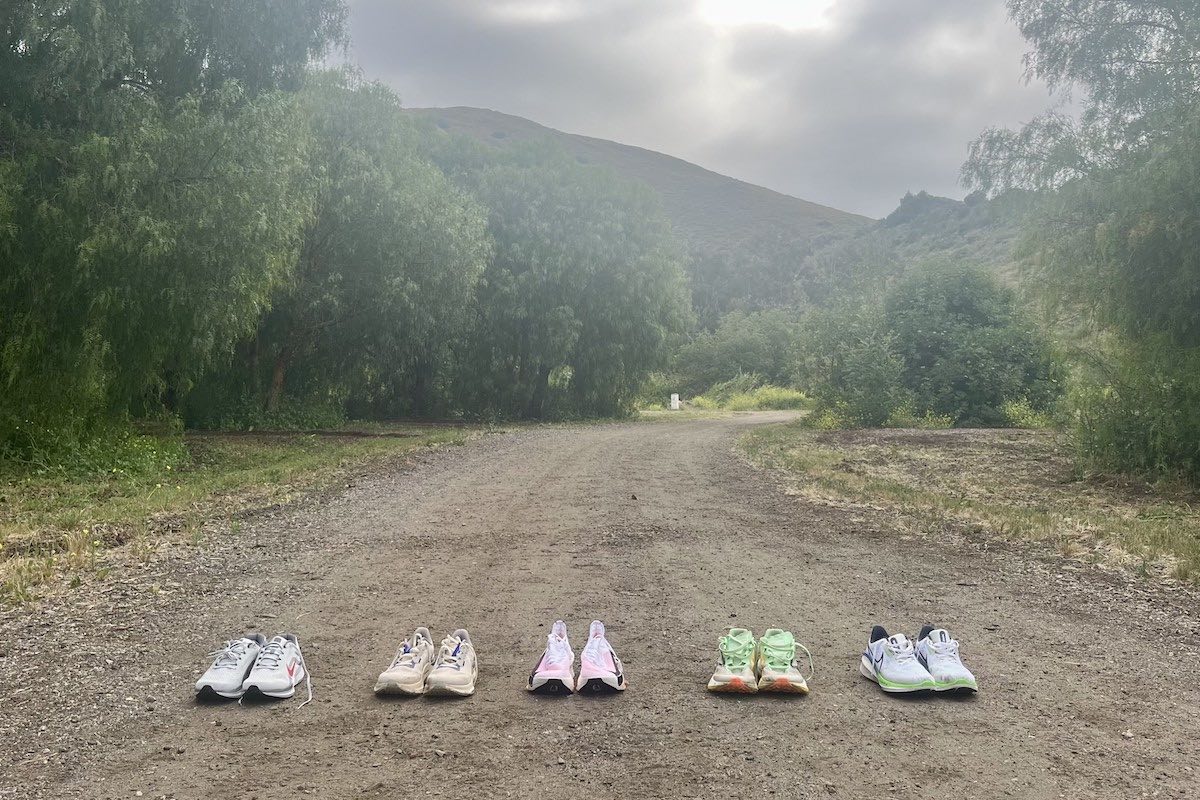
Many of our favorite Nike running shoes are versatile enough to handle multiple surfaces and types of workouts. Photo: iRunFar/Nathan Allen
Glossary of Running Shoe Terms
The anatomy of a running shoe can be complicated, so we put together a glossary of frequently used terms in the world of running shoes.
- Stack Height: The total height of the shoe between your foot and the ground. It typically runs between 20 and 40 millimeters and is often used to quantify the amount of cushioning in a shoe. Most shoes have a higher stack height at the heel than the forefoot.
- Drop: Also referred to as “heel-to-toe drop” or “offset,” it is the difference in stack height between the heel and the toe of the shoe. Most running shoes — and all Nike shoes — have at least a few millimeters of drop, with the heel slightly higher than the forefoot. A higher drop indicates more cushioning at the heel than at the forefoot and is often considered better for heel strikers, while a lower drop means there is less of a difference in cushion at the heel and forefoot. Most running shoes’ drops range from 0 to 12 millimeters.
- Outsole: The bottom of the shoe that makes contact with the ground and typically features a rubber material.
- Midsole: The layer(s) of foam between the outsole and upper. The midsole is where the shoe’s cushioning is located. Most running shoe companies make proprietary foams, and the midsole quality affects how a shoe feels underfoot… and its price. Companies tend to create base-level, mid-level, and racing foams, with racing foams being lighter and providing higher energy returns. See our explainer of Nike’s foams below.
- Upper: The material covering the sides and top of your shoe. It connects to the midsole and wraps around your foot.
- Lugs: Protrusions on the bottom of the outsole designed to provide traction. They typically appear on trail running shoes, but some road shoes will contain small lugs for extra traction. The typical lug depth in trail shoes is between 3 and 6 millimeters.
- Rock Plate: A protective material that typically sits on top of the outsole of trail running shoes. It is usually made of plastic or woven material and keeps rocks, roots, or other sharp objects from digging into your foot. Rock plates vary in length, from covering just the forefoot to running the entire length of the shoe.
- Flyplate: Nike’s carbon fiber plate that typically sits between two layers of foam in the midsole. The plate acts like a trampoline, increasing energy return and reducing leg fatigue. It is found in Nike’s racing shoes, like the Nike Vaporfly 4.
- Toebox: The front of your shoe where your toes go. Shoes have toeboxes of different widths, from narrow to wide. Trying different toebox widths will help you find your preference.
- Rocker: Like a ski or a snowboard, a rocker design is a slight lift at the front and back of the shoe. Shoe companies use rocker technology to improve running efficiency and economy and help runners naturally spring forward using their toes.
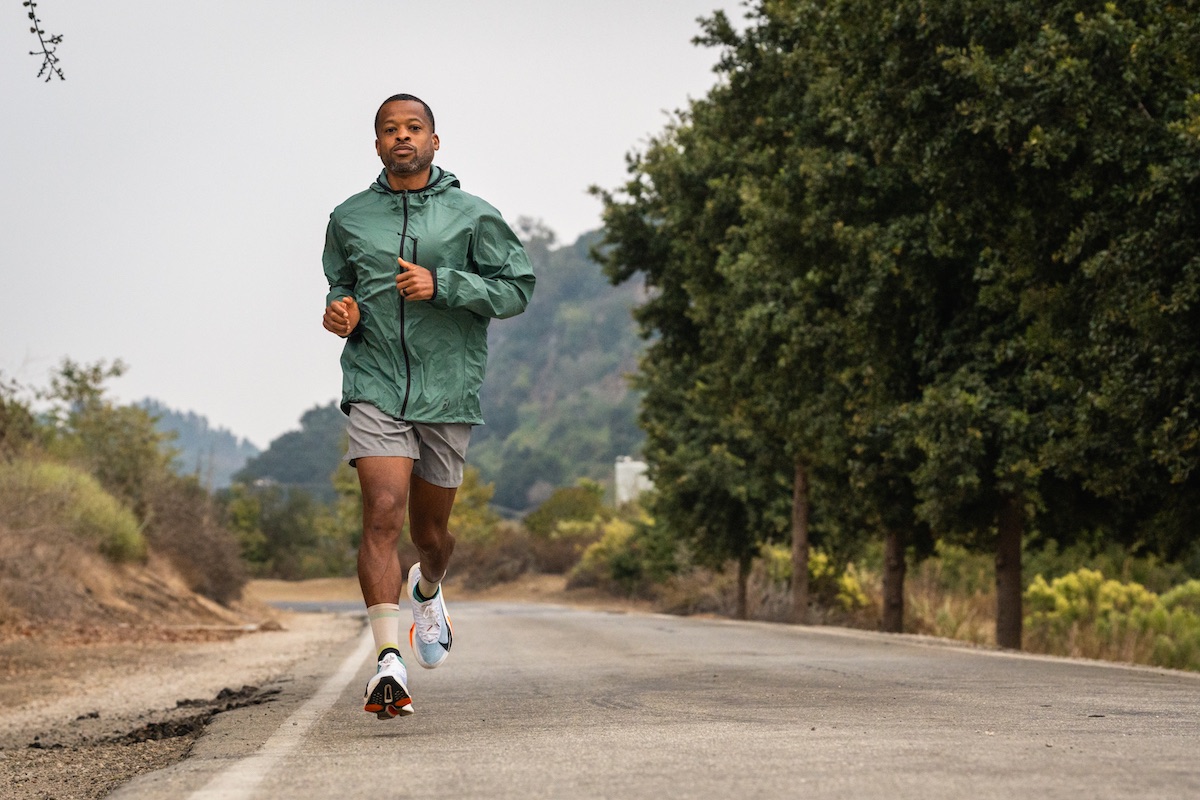
One of our testers running in Nike racing shoes in Ventura County, California. Photo: iRunFar/Eszter Horanyi
Nike’s Midsole Foams
- Cushlon: Now in its third iteration, the Cushlon 3.0 midsole foam is Nike’s base-level foam. It’s an Ethylene Vinyl Acetate (EVA)-based foam, which is common for many running shoes, especially daily trainers. EVA tends to be cheaper to produce and durable, though it lacks energy return.
- React: React foam was launched in 2017 to help reduce injuries among athletes. Typically found in Nike’s running, golf, and basketball shoes, React foam features a blend of Thermoplastic elastomers (TPE) and EVA. React foam is lightweight, soft, and durable.
- ReactX: Launched in 2023, ReactX foam is an upgraded version of the React foam. Nike claims it is bouncier and provides increased responsiveness and energy return compared to React foam. The brand also claims it has a lower carbon footprint than its other foams. You can find it in the Nike ACG Pegasus Trail and Nike Pegasus 42.
- ZoomX: Nike’s premium foam, ZoomX is typically used in its higher-end racing shoes like the Nike Vaporfly 4 and Nike ACG Ultrafly Trail, though training shoes like the Nike Vomero Plus and Nike Zoom Fly 6 also have it. Derived from aerospace foam, it is Nike’s lightest, softest, and most responsive foam, and the company claims it provides 85% energy return. Not all ZoomX — or any of these foams — is the same, though. Nike alters its makeup depending on the shoe model, meaning racing shoes will have lighter, more energetic, less durable foams than daily trainers with the same foam.
How to Choose: A Buyer’s Guide for Nike Running Shoes
Running Surface
When deciding on a pair of running shoes, a good starting point is to determine if you want road running shoes, trail running shoes, or a hybrid that can perform both on pavement and trail. A road shoe will work if you primarily run on streets, sidewalks, or paved trails. You’ll want a trail running shoe if you are mainly running on off-road surfaces, including technical mountain trails. The truth is that most people run on multiple surfaces, which is why we love the Nike ACG Pegasus Trail and Nike Pegasus 42. Both are versatile enough to handle pavement, dirt, and gravel roads with ease. We also appreciated the Nike Kiger 10’s low-profile outsole that allows the shoe run well on trails without losing too much performance on pavement.
The main difference between trail and road shoes is that trail shoes have deeper lugs on the outsole for traction on dirt and uneven surfaces. Some road shoes have small lugs on their rubber outsoles, making them fine for non-technical off-road runs on flat dirt paths or gravel roads. Other road shoes do not have lugs or enough of a rubber outsole, and those are best kept purely on pavement.
Intended Use
Once you decide on your most likely running surface, it’s time to consider the shoe’s intended use. Are you looking for an everyday trainer, a shoe for workouts, something for racing, or something that can do a bit of everything? Some shoes are incredibly versatile and can be used in many scenarios, while others are very specific. One of the reasons we chose the Nike Vomero Plus as our top pick is because it’s cushioned enough to serve as an easy-mileage shoe but has enough bounce to pick up the pace when you need it. The Nike Zoom Fly 6 is even more versatile and could be a true one-shoe road running solution.
The Nike Vaporfly 4 and Nike Streakfly 2, on the other hand, are solely racing and workout shoes, so their range is limited. The Nike ACG Ultrafly Trail could serve as a trail workout shoe as well as a race shoe. And the Nike Kiger 10 is a solid option if the Ultrafly is a bit too spendy for you.
If you’re looking for a more generalist shoe that excels at long runs on pavement or light dirt, everyday training runs, and the occasional speed or up-tempo workout, the Nike Pegasus 42 and Nike ACG Pegasus Trail are good choices.
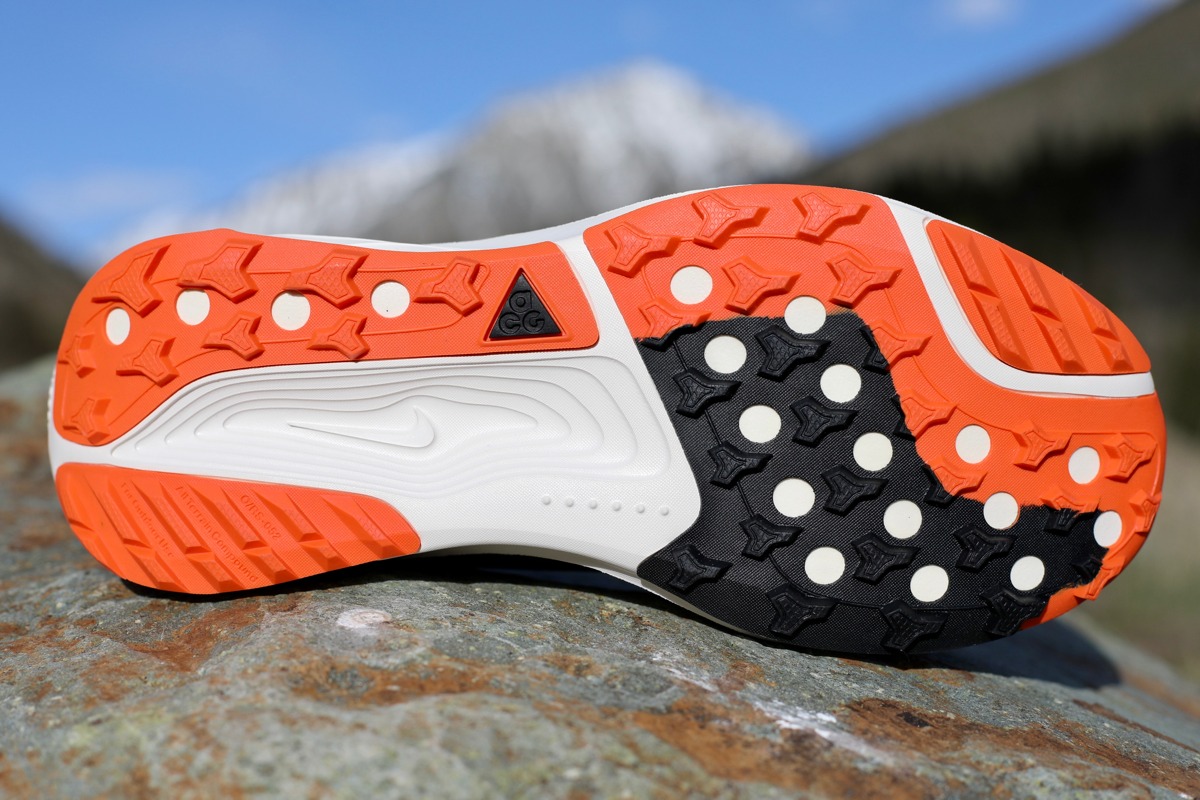
The outsole of the Nike ACG Pegasus Trail is versatile enough for roads and trails. Photo: iRunFar/Bryon Powell
Cushion
You might’ve noticed that most of our recommended shoes have at least moderate cushioning. The Nike Pegasus 42 has a pretty middle-of-the-road level of cushioning, while the Nike Vomero Plus has maximum cushioning. It used to be that if you wanted a maximum-cushioning running shoe, you had to deal with low energy return and clunkiness. But those days are over. With technology like Nike’s Zoom Air units and enhanced foams like ZoomX, you can get shoes with maximum cushioning that remain lightweight and responsive.
Like most things in a running shoe, the amount of cushion someone wants is a personal choice. Generally speaking, if you primarily run on harder surfaces, like pavement, we recommend erring on the side of more cushion. Extra layers of softness between your feet and the asphalt can cushion each foot strike and protect your bones and joints.
Support
Most running shoes provide a neutral level of support, which is enough for most runners. However, for some folks, a stability shoe might be necessary. The easiest way to determine if you need a stability shoe is to go to a running specialty store, hop on their treadmill, and have an employee watch your stride to see if you’re an overpronator.
What’s overpronation? Let’s start with pronation, which is the natural inward collapse of the foot’s arch as it absorbs and distributes impact while running or walking. Everyone pronates. Underpronation — also called supination — is when the arch barely collapses and is generally associated with high arches. Those who supinate or have a normal range of pronation are good with neutral shoes. However, if you overpronate, meaning your arch collapses past the typical range, you might consider using stability running shoes. Generally, those with flat arches are more likely to need stability shoes. Again, it’s tough to tell on your own if you exceed the typical range of pronation, so having an employee at a running specialty store take a look isn’t a bad idea.
Stability shoes provide more support with a wider midfoot or overall platform, higher side walls, additional foam, or a rocker profile to help guide the foot into a more neutral gait. Nike doesn’t make many stability shoes, but the Nike Structure 26 is a solid option.
Fit
Fit might be the most important consideration when picking out a new running shoe. If you’re a newbie runner, it’s probably worth going to a running specialty store to have your feet measured and fitted. If this isn’t possible, a general rule for the length of the shoe should allow you to fit a thumb’s width between the end of your big toe and the front of the shoe. Your heel, midfoot, and forefoot should all feel snug without feeling overly tight.
In general, Nike running shoes fit similarly to other brands, meaning, if you wear a women’s size 7 or men’s 10 in most running shoe brands, that will likely work for you in Nike as well. Is this true? I always experienced they run a bit narrow.

We tested Nike running shoes on multiple surfaces across the country. Photo: iRunFar/Eszter Horanyi
Why You Should Trust Us
To create this guide, we utilized our testing team’s decades of running experience to brainstom and research the most popular Nike running shoes on the market and create a list of shoes to test. Then we collectively put the shoes through hundreds of miles to determine which were worthy of this guide, rating their fit, comfort, cushion, performance, stability, durability, and value. Our testers for this guide are based around the United States — in North Carolina, Florida, Colorado, and the Pacific Northwest — and run on pavement, trails, gravel roads, and dirt paths.
Since originally publishing this buyer’s guide, we’ve continued to test newer versions of shoes already included in this guide, as well as new models of Nike running shoes, and we’ll continue to update it as needed.
Frequently Asked Questions About Nike Running Shoes
What are the best Nike shoes for running?
The best Nike running shoes for you will depend on several factors, including the surfaces you like to run on and the distances you go. If you’re looking for a pair of shoes with a lot of cushion that can pick up the pace, the Nike Vomero Plus is a great choice and our top overall pick for the roads. We also loved the Nike Zoom Fly 6 as a versatile option that can handle easy runs, workouts, and even races, while the Nike Vaporfly 4 was our top racing shoe.
For trails, we recommend the Nike ACG Pegasus Trail. Like its road sibling, the Nike Pegasus 42, it’s a top-tier generalist shoe that can handle quite a bit. For trail racing, we’d go with the Nike ACG Ultrafly Trail.
Is Nike a good brand for running shoes?
Yes, and it has been around for a long time with a great track record for quality shoes. Many new running brands we love have emerged, like Hoka, Topo, On, Altra, and others, but Nike continues to innovate and change the game. Whether you love or hate the carbon-plated super-shoe movement, it’s here to stay, and Nike created it. The Nike Vaporfly 4 is one of the best super shoes on the market. And the brand still makes some of our favorite shoes, period. So, while plenty of other companies exist, Nike remains an excellent option for many runners.
What are the best Nike running shoes for racing?
Nike is often considered one of the best brands for road racing shoes. Since the days of Bill Bowerman building his athletes’ personalized racing shoes, the brand has roots in racing shoe innovation. Nike’s racing shoes, like the Nike Vaporfly 4 and Nike Streakfly 2 for the roads and the Nike ACG Ultrafly Trail for the trail, are some of the best racing shoes on the market. But we also appreciate that Nike makes some excellent racing shoes at lower costs, like the Nike Kiger 10 or the Nike Zoom Fly 6.
Are Nike shoes worth the cost?
You’ve probably noticed the high cost of shoes like the Nike Vaporfly 4 and the Nike ACG Ultrafly Trail. And if you’ve run a race recently, you’ve probably also noticed the number those shoes — and others that cost upward of $200 — on the feet of many runners. We wouldn’t recommend high-cost shoes unless we believed they were worth it, and the performance benefits from these types of shoes are real. That being said, we only recommend them for serious racers or experienced runners. If you’re completing your first trail race or local 5k on the roads or simply want a pair of comfortable, versatile running shoes, you definitely don’t need the Vaporfly or Ultrafly.
Instead, we’d point you to models like the Nike Pegasus 42 and Nike ACG Pegasus Trail, both of which provide excellent value, and if you’re willing to spend a bit extra for a bouncier foam, we also loved the Nike Vomero Plus. All three are highly versatile and durable shoes that will last and perform well for hundreds of miles. To us, they are worth the relatively moderate cost.
Call for Comments
- Do you have any experience with the Nike running shoes in this guide?
- What is your most important element in a great pair of running shoes?
- Tell us about your favorite pair we might have missed so that we can test them.
Back to Our Top Nike Running Shoes Picks

We tested several Nike running shoes to create this guide. Photo: iRunFar/Eszter Horanyi


